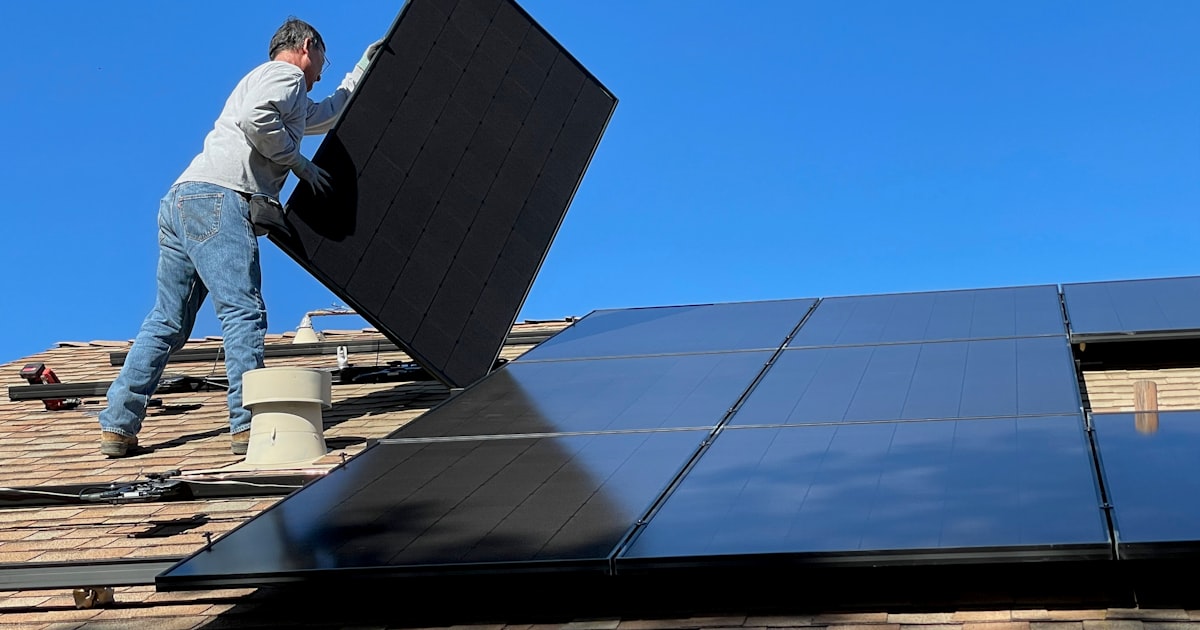
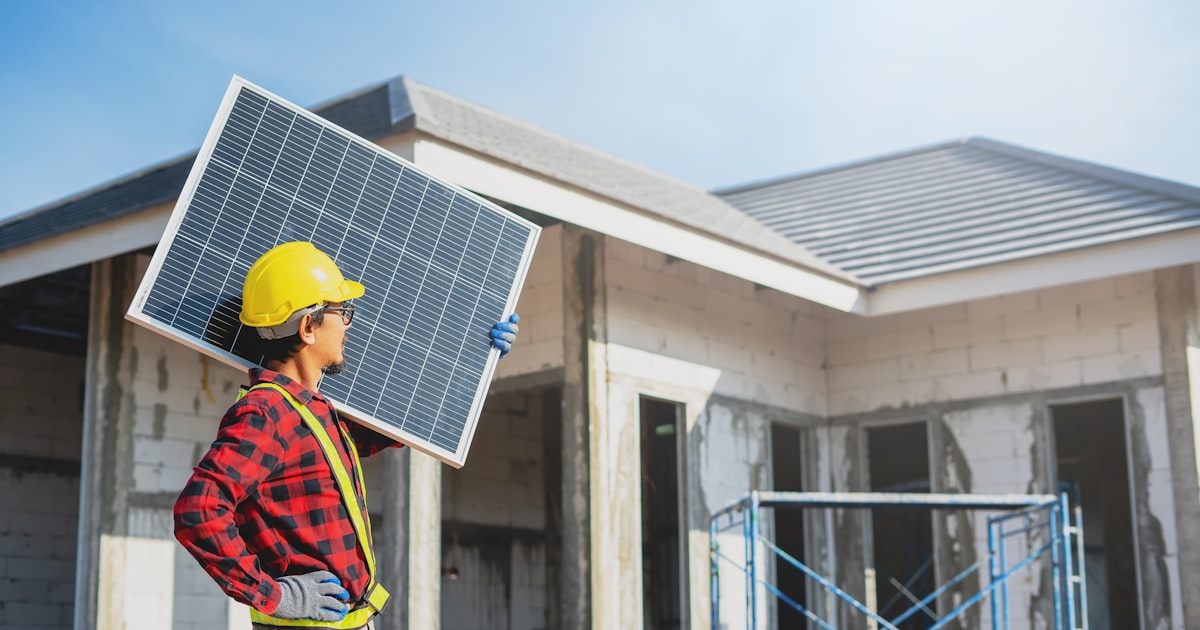
Can Your Roof Handle Solar Panels? A Quick Assessment Guide
Before getting solar quotes, it helps to know whether your roof is suitable. Here's a quick self-assessment covering orientation, age, and structural factors.
Not every roof is ideal for solar panels, but far more are suitable than people assume. Before you request quotes, here's a quick self-assessment to gauge your roof's potential.
Orientation
Best: South-facing. Gets maximum sun exposure throughout the day.
Good: East or west-facing. Loses 15-20% versus south - still very viable. We debunked the "south-only" myth in our solar panel myths article.
Workable: South-east or south-west. Almost as good as due south.
Not suitable: North-facing. Too little direct sunlight to justify the investment.
If you're unsure of your orientation, check Google Maps satellite view - it shows compass direction.
Roof angle
Optimal: 30-40 degrees (most UK pitched roofs)
Acceptable: 15-50 degrees (slight efficiency loss at extremes)
Flat roofs: Work fine with angled mounting frames, but adds £300-500 to installation cost
Most UK homes have a pitch between 30 and 45 degrees - right in the sweet spot.
Shading
Look at your roof between 10am and 4pm on a sunny day. Any shadows from:
- Chimneys
- Neighbouring buildings
- Trees (remember they grow)
- Dormers or extensions
Partial shading doesn't rule out solar, but it affects system design. Modern optimisers and microinverters mitigate shading better than older string inverter systems. Your installer will assess this during the site survey.
Roof age and condition
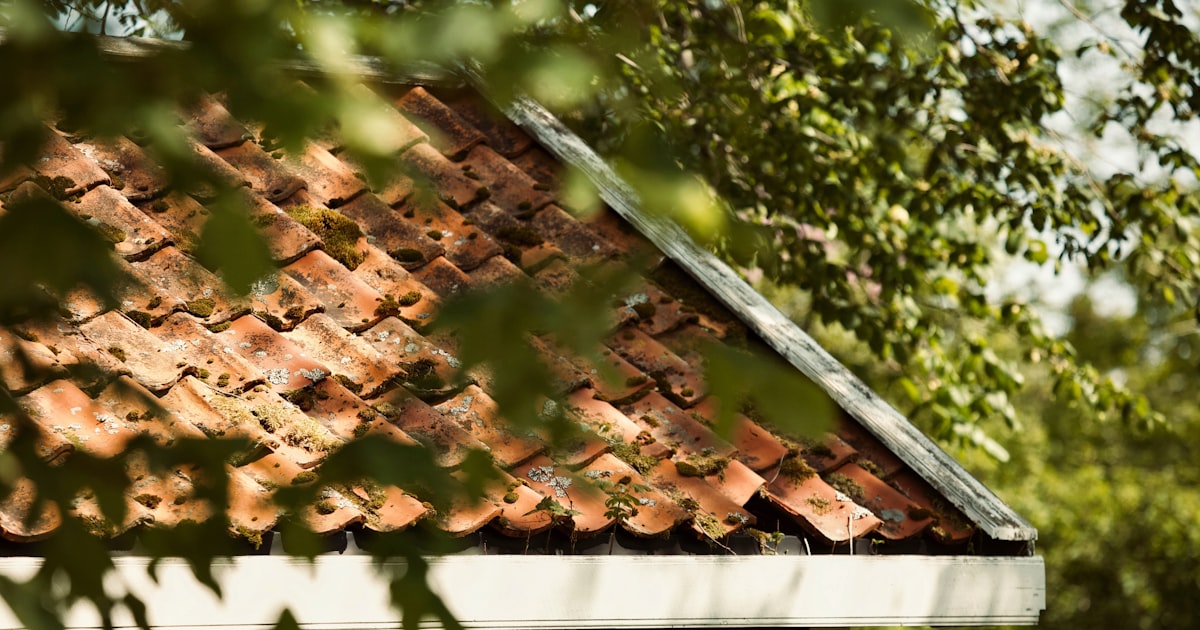
Solar panels last 25-30 years. If your roof needs replacing in the next 5-10 years, it's better to do that first. Removing panels for a re-roof costs £500-1,000.
If your roof is:
- Under 10 years old: Ideal
- 10-20 years old: Fine, tiles should outlast the panels
- 20+ years old: Get the roof assessed first. A roofing survey costs £100-200 and could save you much more.
Concrete and clay tiles are both fine. Slate works well. Metal roofing is excellent (lighter, easier mounting). Thatched roofs are the only type that genuinely can't support panels.
Structural capacity
A typical solar panel weighs 18-20kg, and a full system adds about 200-300kg to your roof. Modern roofs are designed to handle this easily. Older roofs (pre-1960s) might need a structural check, but it's rarely an issue.
Your installer's surveyor will check rafter spacing and condition as part of their assessment.
Available space
A 4kW system needs roughly 16-20m2 of roof area. That's about 10-12 panels. A typical semi-detached house usually has 20-30m2 of usable south-facing roof.
Roof features like skylights, vents, and satellite dishes reduce available space but can usually be worked around.
The bottom line
If you have a south, east, or west-facing roof in reasonable condition without heavy shading, solar panels will work for you. The best way to confirm is a professional survey - it's free, takes 30-45 minutes, and gives you definitive answers along with accurate cost and generation estimates.
Ready to Go Green?
Get free, no-obligation quotes from MCS-certified installers in your area.
Get Free Quotes