How Long Do Solar Panels Actually Last? Warranties, Degradation, and Real-World Data
Solar panel manufacturers guarantee 25-30 years, but how long do panels really last? We look at degradation rates, warranty terms, and real-world longevity.
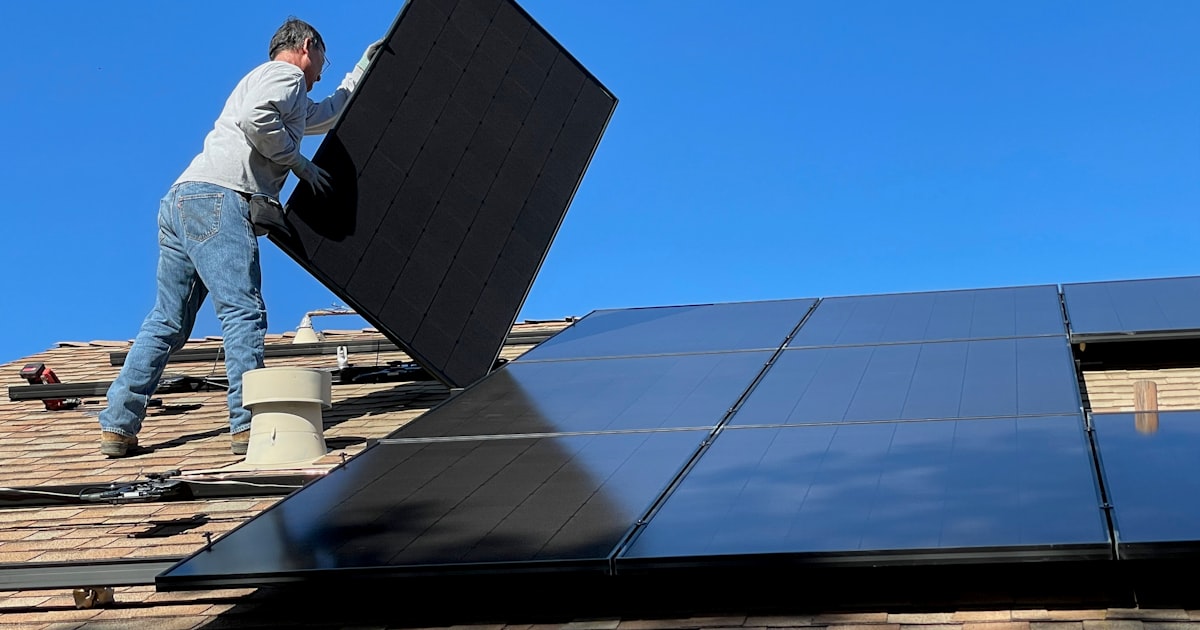
When you invest £5,000-10,000 in solar panels, you want to know they'll last. The good news is that solar panels are among the most durable consumer products ever made. But the details matter, and understanding degradation helps you set realistic expectations.
Warranty terms in 2026
Modern solar panels come with two warranties:
Product warranty (10-25 years): Covers manufacturing defects, material failures, and premature failure. This is getting longer - many premium brands now offer 25 years.
Performance warranty (25-30 years): Guarantees minimum output over time. The standard guarantee is:
- 97.5% of rated output in year 1
- No more than 0.4-0.5% degradation per year
- At least 84-87% of rated output at year 25
So after 25 years, your panels should still produce at least 84% of their original capacity. In practice, most outperform their warranty.
Real-world degradation
Studies of panels installed 20+ years ago show degradation rates of 0.3-0.5% per year on average. The National Renewable Energy Laboratory (NREL) analysed thousands of systems and found a median degradation of 0.5% per year.
For a 4kW system producing 3,760 kWh in year one:
| Year | Expected output (kWh) | Annual saving (at 24p/kWh) |
|---|---|---|
| 1 | 3,760 | £902 |
| 10 | 3,580 | £859 |
| 20 | 3,390 | £814 |
| 25 | 3,290 | £790 |
| 30 | 3,200 | £768 |
Even at year 30, the system saves nearly £770/year. Over 30 years, total savings exceed £25,000 on an investment of £5,500-7,500.
What actually fails?
Panels themselves almost never fail catastrophically. What does fail:
Inverters. String inverters typically last 12-15 years. Microinverters last 20-25 years. Budget for one inverter replacement (£800-1,500) during the panel lifetime if you have a string inverter.
Junction boxes and connectors. Water ingress can cause issues after 15-20 years. A visual inspection during any maintenance visit catches this early.
Mounting brackets. Corrosion over time, particularly near the coast. Stainless steel or aluminium brackets minimise this.
The panels themselves? A team at NREL found that only 5 out of 54,500 panels failed in 25 years of operation. That's a failure rate of 0.009%.
Maximising panel lifespan
- Choose quality panels. Brands like LG, Panasonic, Jinko, and Canadian Solar have strong track records. The best panels guide compares options.
- Use a good installer. Poor installation (bent frames, over-tightened clamps, exposed wiring) causes more problems than panel quality. MCS certification matters.
- Monitor regularly. Check your app monthly. A sudden output drop usually indicates an inverter issue or shading change, not panel degradation.
- Don't stress about cleaning. Rain handles it for the vast majority of UK installations.
The 40-year question
Will your panels still work at 40 years? Almost certainly, at perhaps 75-80% capacity. Whether it's worth keeping them depends on whether inverter replacement costs still make economic sense. With electricity prices likely to remain high, the answer is probably yes.
Solar panels are a genuine buy-once investment. Get quotes and start the 25+ year savings clock.
Ready to Go Green?
Get free, no-obligation quotes from MCS-certified installers in your area.
Get Free Quotes