Battery Storage in 2026: Is It Worth Adding to Your Solar Panels?
We crunch the numbers on whether adding battery storage to solar panels makes financial sense in 2026, or whether you're better off without.
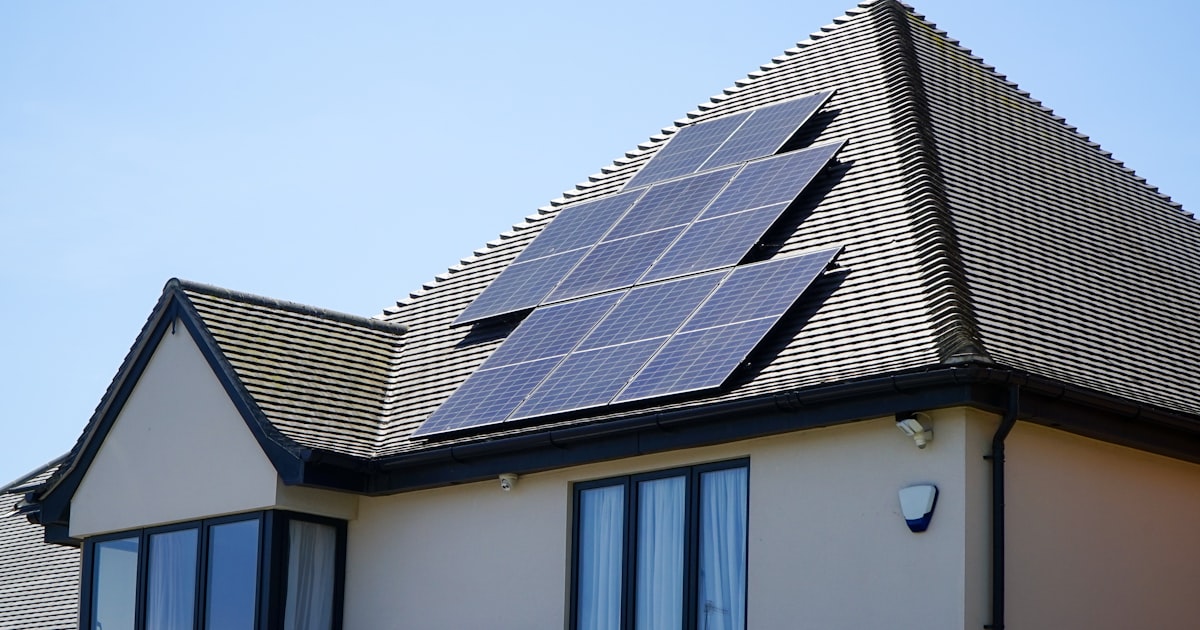
Adding a battery to your solar panels sounds like a no-brainer - store what you generate during the day, use it at night. But batteries aren't free, and the economics depend on your specific situation.
What does a battery cost?
Battery prices have been falling, but they're still a significant investment:
- 5kWh battery: £2,500 - £3,500
- 10kWh battery: £4,500 - £6,500
- 13.5kWh (Tesla Powerwall): £6,500 - £8,500
These are fitted prices. VAT on batteries installed alongside solar panels remains at 0%.
The self-consumption argument
Without a battery, a typical household uses only 30-50% of the solar electricity they generate. The rest gets exported at 12-15p/kWh via the Smart Export Guarantee.
With a battery, self-consumption jumps to 70-85%. Instead of exporting at 12p and buying back at 24p, you're using your own stored electricity.
For a 4kW solar system generating roughly 3,800 kWh/year:
- Without battery: Self-consume 1,500 kWh (save £360), export 2,300 kWh (earn £276). Total: £636/year.
- With 10kWh battery: Self-consume 2,900 kWh (save £696), export 900 kWh (earn £108). Total: £804/year.
The battery adds about £168/year. At a cost of £5,500, that's a 33-year payback on the battery alone - longer than most warranties.
When batteries do make sense
The picture improves significantly with a time-of-use tariff. Some energy tariffs offer electricity at 7-10p/kWh overnight and 30p+ at peak. With a smart battery, you charge cheaply overnight and use stored electricity during peak hours.
This "tariff arbitrage" can add £300-500/year, bringing the payback down to 8-12 years - much more reasonable.
Our recommendation
If you're installing solar panels from scratch, get quotes both with and without a battery. The marginal cost of adding one during installation is lower than retrofitting later.
A battery makes most sense when you're on a time-of-use tariff, your self-consumption is below 40%, you value power resilience, or you're planning an EV charger.
For help sizing, check our battery sizing guide. And compare quotes from multiple installers - prices vary substantially. We also looked at how solar and battery bundles work together for maximum savings.
Ready to Go Green?
Get free, no-obligation quotes from MCS-certified installers in your area.
Get Free Quotes